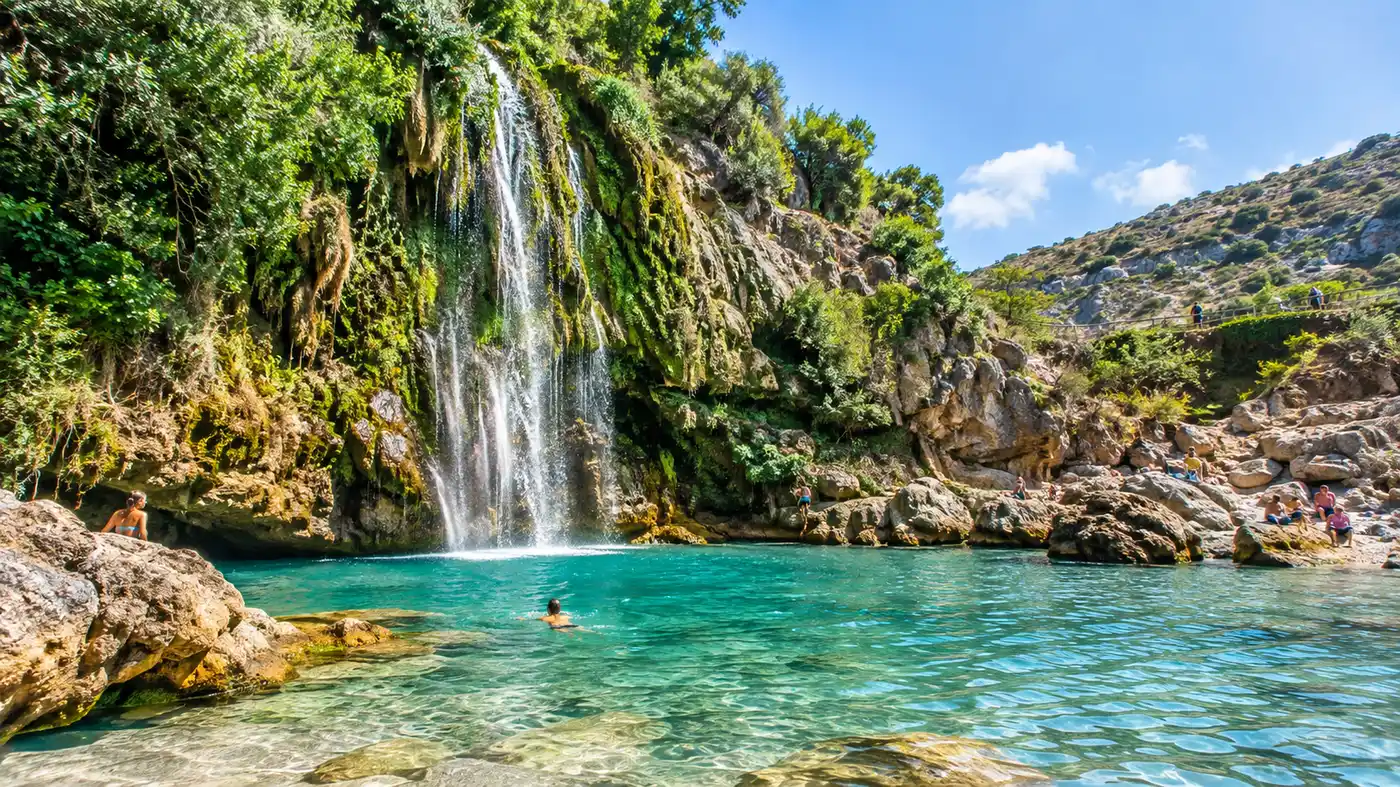
How to Get to Playa de Maro: Parking, Bus, and Directions
Anyone who has spent time in Nerja knows the main town beaches get packed by midday. If you want dramatic cliffs, turquoise water, and sea caves, figuring out how to get to maro beach from nerja is easily the best decision you will make all week. It sits just four kilometers east of Nerja, tucked into the rugged coastline of the Sierras de Tejeda, Almijara y Alhama Natural Park. Getting down to the sand, though, takes a tiny bit of planning.
The beach itself is hidden at the bottom of a steep ravine covered in avocado trees and sugar cane terraces. Because access is tightly controlled during the hot months to protect the cliffs, you cannot simply cruise down and leave your car on the sand. Whether you plan to drive, catch the local transit, jump in a cab, or walk the coastal trail, here is everything you need to know about the journey.
Book your maro waterfall experience:
Driving Routes and Maro Beach Directions
Driving is the quickest way out of town, taking between eight and twelve minutes depending on where your hotel is. From the center of Nerja, head east along the old coastal road, the N-340, following signs toward Maro and the Nerja Caves (Cuevas de Nerja). You will pass through several roundabouts decorated with olive trees and sculptures. When you reach the large roundabout with the exit for the caves, stay on the N-340 for another 600 meters until you see the turnoff on your right pointing directly toward the whitewashed village of Maro.
If you prefer using GPS, punch in "Playa de Maro" or check standard playa de maro maps beforehand so you know what the terrain looks like. Once you turn off the N-340 into the edge of the village, follow Calle San Miguel until it intersects with Calle Nueva. Here, a narrow tarmac lane winds steeply down toward the sea between agricultural terraces. This single-lane descent is called Camino de la Playa, and it is the only road leading to the cove.
The drive down this lane is beautiful, but it requires patience. The road narrows in several bends where two cars cannot pass at the same time, meaning somebody has to reverse into a gravel cutout. If you are nervous about reversing on a steep hill, honestly, do not drive all the way down. The gradient reaches nearly 14 percent in certain stretches, which can test your clutch when you try to head back up in the afternoon.
Pro tip: If you are driving an unfamiliar rental car with a manual transmission, park up in the village instead of tackling the lower access road during peak hours.
Playa de Maro Parking: Where to Leave Your Car
Finding a spot is the trickiest part of the whole trip. During July and August, local authorities usually set up a barrier at the top of Camino de la Playa to prevent total gridlock. A guard stands by the entrance, and once the lower spaces are taken, they close the barrier to private vehicles completely. Outside peak summer, the road remains open, but spaces fill up before 10:30 in the morning anyway.
Understanding your options for maro beach parking comes down to three main zones:
- The lower beach strip: roughly 25 to 30 painted bays lined along the roadside just above the cove, requiring zero uphill walking after your swim.
- The midway dirt pull-offs: several unpaved clearings along Camino de la Playa that hold another 20 vehicles, leaving you with a five-minute downhill walk to the cove.
- Maro village public lots: two large municipal lots located near the entrance to town, where you park safely on flat ground and either walk down or hop on the seasonal transit.
If you aim for the lower parking playa de maro offers, get there before 9:15 in the morning. Even in mid-September, when crowds thin across the Costa del Sol, local snorkelers and paddleboarders claim those shoreline spaces early. There is no official fee to park at the bottom, though during the height of summer, an attendant sometimes collects a voluntary donation of around €1.50 to watch your car.
When the barrier closes, playa de maro parking shifts entirely to the village. You have a free dirt lot just past the bridge on Calle Maravillas, and another paved area near the Plaza de la Iglesia. From these village spaces, getting to the water means walking roughly 1.3 kilometers downhill. Walking down is pleasant and takes about 15 minutes, but the walk back up after five hours in the sun is a serious workout. If you want more details on the beach layout itself, read our full Playa de Maro beach guide before setting off.
Note: Never leave your vehicle on yellow lines along the descent road; local police regularly ticket cars blocking emergency vehicle turnarounds, and fines start at €100.
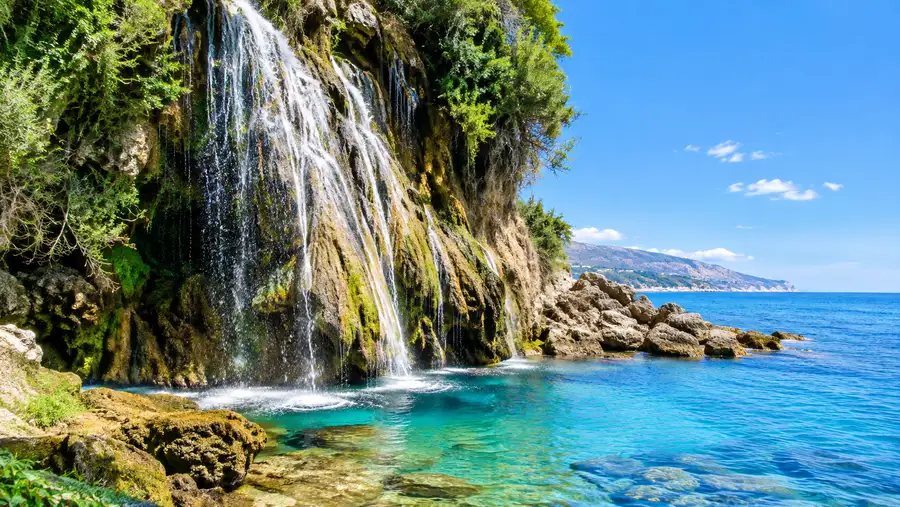
Taking the Playa de Maro Bus and Summer Shuttle Bus
If you want to skip the headache of playa de maro nerja parking altogether, public transit is remarkably straightforward. The regional ALSA bus runs between the Nerja bus station (on Avenida de Pescia) and the village of Maro multiple times per day. The ticket costs roughly €1.25 each way, and the ride lasts less than ten minutes. The bus drops you off at the main bus stop on the edge of Maro village, right next to the roundabout leading into town.
From late June through early September, the local town hall operates a dedicated playa de maro shuttle bus. This small minibus loops between the village and the beach turnaround throughout the day, usually starting around 10:00 in the morning and running until 20:00 in the evening. A single journey on the shuttle costs approximately €1.50 per person, paid in cash to the driver. The timetable can shift slightly each summer, but the shuttle typically departs every 15 to 20 minutes.
Using the playa de maro bus combo - taking the regular coach from Nerja to Maro, then the small shuttle down to the cove - eliminates every parking worry you could possibly have. It works especially well if you are carrying beach umbrellas, heavy cooler bags, or snorkel gear that you do not fancy hauling up a 14 percent hill in 32-degree heat.
Book your maro waterfall experience:
Comparing Options: How to Get to Maro Beach from Nerja
Choosing the best method comes down to what you are carrying, how early you wake up, and your tolerance for steep walking. Here is how the standard transport options stack up against each other:
| Transport Method | Average Travel Time | Estimated Cost | Key Advantage |
|---|---|---|---|
| Driving your own car | 10 minutes | Free (or €1.50 village lot) | Complete schedule flexibility |
| ALSA Bus + Summer Shuttle | 25 to 35 minutes | Around €2.75 per person | Zero parking stress |
| Local Taxi | 10 minutes | €11 to €14 each way | Direct drop-off at the sand |
| Walking on foot | 45 to 60 minutes | Free | Scenic coastal views |
Taxis are readily available at the ranks in central Nerja, such as the one by the Balcon de Europa or near the bus station. A one-way trip to the beach turnaround costs between €11 and €14. If you take a taxi down, make sure to get the phone number of the dispatch service (Radio Taxi Nerja), because empty taxis do not circle the beach waiting for fares. You will need to call one about twenty minutes before you want to leave.
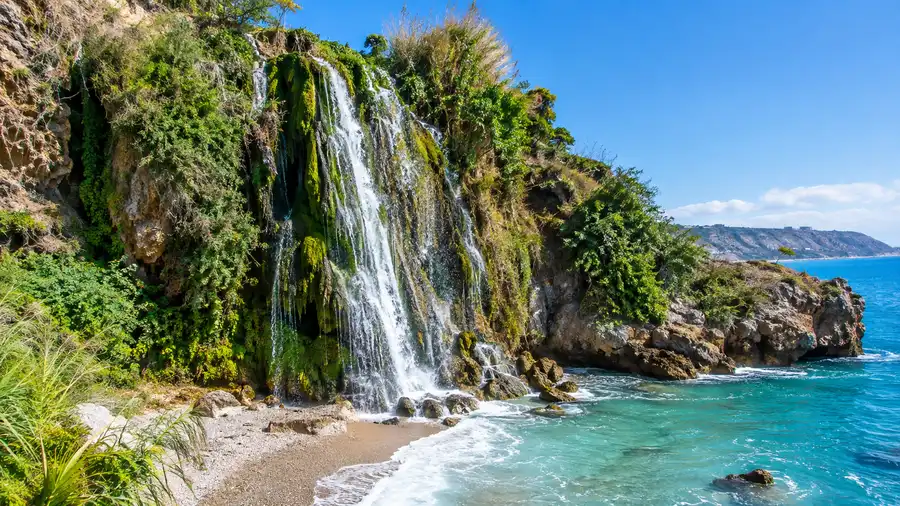
Walking or Cycling from Nerja to Maro
For active travelers, walking is a satisfying option that avoids vehicles entirely. The direct distance from the eastern edge of Nerja to the shoreline at Maro is just over 3.5 kilometers. You can walk along the pedestrian pavement flanking the N-340, cross over the modern footbridge, and walk through the quiet streets of Maro village before heading down the sea lane.
Alternatively, adventurous hikers can take the coastal dirt paths. A rugged trail branches off near Playa Burriana, skirting past smaller coves like Playa de la Caleta de Maro before meeting the track to the main beach. If you choose this path, wear sturdy trainers instead of flip-flops; the limestone scree can be slick underfoot, and scrub brushes will scrape your ankles. The path offers incredible panoramic views over the sea cliffs and hidden gullies where wild mountain goats occasionally graze.
Electric bikes have also become very popular for this route. Several rental shops in Nerja rent e-bikes for about €25 to €35 per day. An e-bike makes short work of the rolling hills on the N-340 and, more importantly, allows you to effortlessly climb the brutal switchback road on your way home from the water. You can lock your bike directly to the wooden railings at the bottom of the cove.
Once you arrive at the water, most people either rent a sunbed or head straight to the kayak rental station. The water here is part of a protected marine reserve, which makes it crystal clear and teeming with wrasse, sea bream, and octopus. If you plan to head out on the water toward the famous cascades, take a look at our guide on kayaking to the Maro waterfall so you know sea conditions and safety rules in advance.
Before packing your bag, keep a few practical realities in mind:
- Footwear matters: wear proper shoes for the steep road walk, and bring water shoes for the pebbly shoreline.
- Cash is essential: the summer shuttle bus and small fruit stands along the road do not accept credit cards.
- Hydration is critical: carry at least 1.5 liters of water per person if you plan to walk up the hill in the afternoon.
- Cell phone signal drops: mobile coverage can be patchy right against the cliff face, so arrange your return rides early.
Frequently Asked Questions about how to get to maro beach from nerja
Can I drive all the way down to Playa de Maro in July and August?
Usually no. Local authorities place a barrier at the top of the access road once the lower spaces are filled, often before 10:00 in the morning. When the barrier is down, only residents, authorized transport, and the local shuttle bus are allowed past.
How much is a taxi from central Nerja to Maro Beach?
A standard taxi ride from central Nerja down to the beach cove typically costs between €11 and €14. Rates are slightly higher on Sundays, holidays, and late evenings.
Where does the Maro beach shuttle bus pick up passengers?
The summer shuttle picks up near the main square and church entrance in Maro village. It runs in a continuous loop down to the beach roundabout and back up throughout the day.
Can you walk from Nerja to Playa de Maro?
Yes, the walk takes between 45 and 60 minutes from the eastern edge of Nerja. You can either follow the roadside pedestrian path along the N-340 or take the dirt hiking trails above the sea cliffs.
Quick Reference
- Distance from Nerja: 4 km east via N-340
- Direct driving time: 8 to 12 minutes
- Bus cost: €1.25 (ALSA) + €1.50 (Summer Shuttle)
- Peak parking cutoff: usually full before 09:30 AM
Book your maro waterfall experience:
The Bottom Line
Getting to this cove takes a tiny bit more effort than walking down to Burriana or Torrecilla, but the dramatic scenery is worth every minute of the journey. If you have a car, leave early to grab a lower bay; otherwise, take the morning bus from Nerja, jump on the shuttle, and spend your day floating in clear water beneath the cliffs.
Read more about maro waterfall.